Purpose-Driven Service Design in Sports
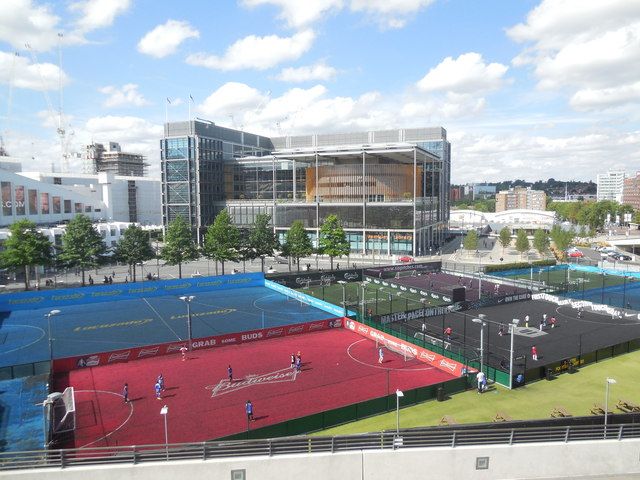
In the vibrant world of sports, where passion knows no bounds and every moment is unscripted, engaging fans is an art form.
As an industry driven by passion and emotion, the services provided by sports organisations are unique yet common. The unshakable loyalty, inexplicable passion, and unscripted action differentiate fan interactions from other industries, but the basics of customer satisfaction, user experience, and journeys still hold true.
It is tempting to capitalise on this fan loyalty and behaviour by coming up with sophisticated strategies to boost revenue. While this might pay dividends in the short term, it fails to have any long-term impacts.
How then should a sports club or a brand look to create meaningful campaigns that not only align with their purpose but keep their fans' interests at heart?
Service Design
Service Design, a term coined in 1982, explores user-centric processes and techniques to enhance the experience of employees as well as customers. It teaches us to consider consumer engagement not as an isolated event but as a behaviour influenced by various factors.
For instance, a fan buying merchandise from your stores, while seemingly isolated, is affected by factors from social trends, and demographic behaviour to broader socio-economic conditions of the community.
As a service designer, you must consider both micro and macro-level factors that could affect the experience of your fan.
“In my case, as a service designer, I am trained to put the consumer at the heart of everything we do, looking at the business from the point of view of the consumer.” - Senior Service Designer, Adidas
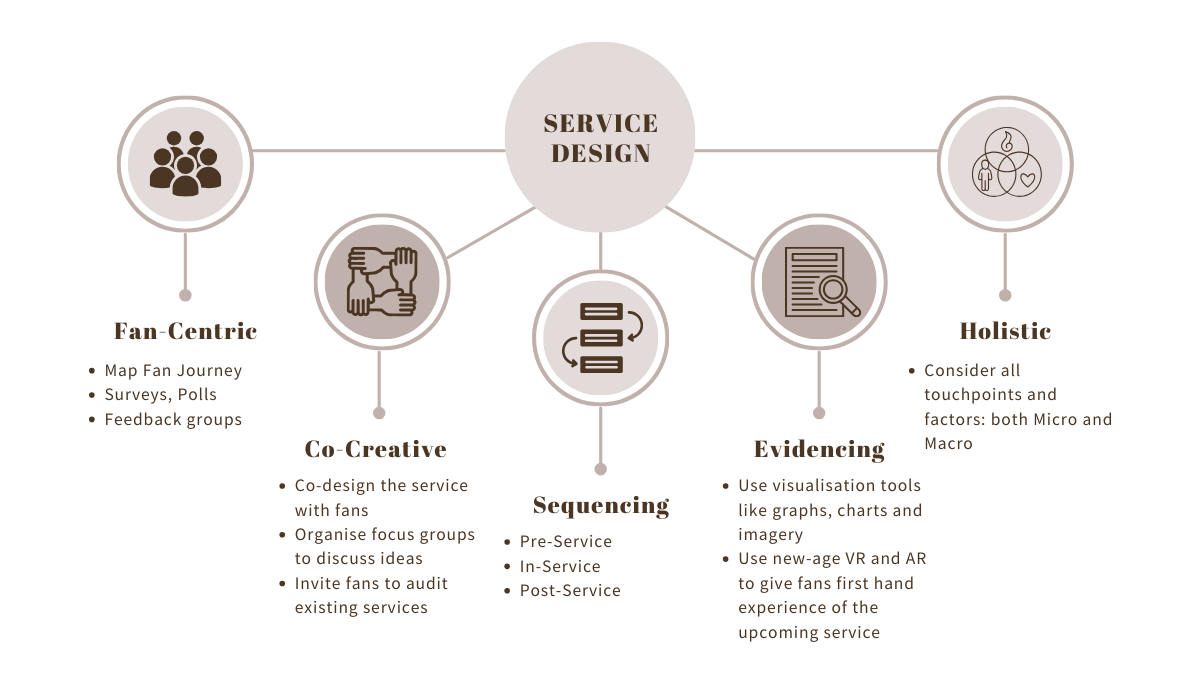
Key Elements of Service Design
Fan-Centric Approach: Taking a fan-first approach by trying to understand the journey and touchpoints of your fan is a key component of service design. Using surveys, polls, fan interaction, and other similar feedback mechanisms is an effective way to stick to a fan-centric approach
Co-Creation: Involving fans throughout the design process not only provides valuable feedback but also builds trust among your fans which indirectly improves their experience. Adopt a design-thinking approach to co-creation and see the value of collaboration unfold.
Sequencing: When you break down the complexity of your service into smaller journey sections, you'll observe that a fan transitions through three stages pre-service (e.g., getting to the stadium), actual service (match itself), and post-service (e.g., heading to fan zones or club stores) periods. This should provide clarity on the factors that need to be considered in each phase.
Evidencing: Visualising the service with the help of pictures, graphs, and images can help your team and fans easily digest the purpose of your service. Making it easy to digest for the users is important for increased engagement and improved experience.
Holistic: An all-around service design should consider all touchpoints throughout the fan journey. This can be achieved using fan personas and other techniques discussed later in this blog.
KUER: A How-To Guide for Service Design
An international study conducted to address the challenges, opportunities, influences, and optimisations laid the foundations for a game-changing service design framework known as the KUER model.
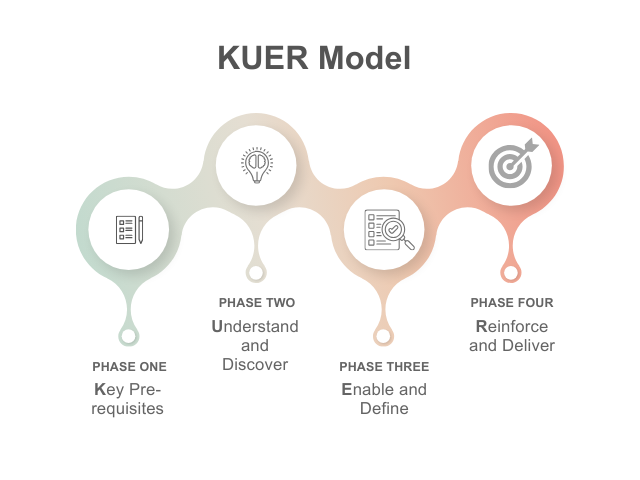
For a sports organisation looking to make a positive impact, the four phases will look something like this:
Key Pre-requisites
Even before starting the design process, there are a few requirements that need to be fulfilled for a successful service implementation. Being purpose-driven with a clarity of WHY is the foundation of an impactful service. Hiring the right people and partnering with brands who align with the same values and beliefs will influence how transformational the service can be.
Understand and Discover
With the greater good in mind, organisations need to set up a co-creative environment to encourage innovative ideas. Empathising and developing a deep understanding of your fans is critical in this phase to enhance their experience.
Conducting surveys, fan polls, and feedback sessions to get a grip on the pain points and filtering them out based on value alignment are good ways to know your target audience.
This is aptly highlighted in Everton FC's efforts to get their fanbase involved in the building of their new stadium by gathering their pain points and wish lists.
A similar example can be found in LTA's 'Opening up Tennis' drive. They partnered with Deloitte to transform the sport and people's lives by interviewing hundreds of coaches, players, and members
Enable and Define
This phase is where the magic happens. All ideas are tested with the aim to fail fast and learn faster. Churning out prototypes as efficiently as possible with critical feedback will only improve the service. The main theme is to always keep the purpose at the centre of your decision-making.
Reinforce and Deliver
This is the easiest of the phases of the previous three are nailed down. The processes put in place guided by the core purpose should make the service valuable and drive a positive impact in society.
Case Study: Yachting New Zealand
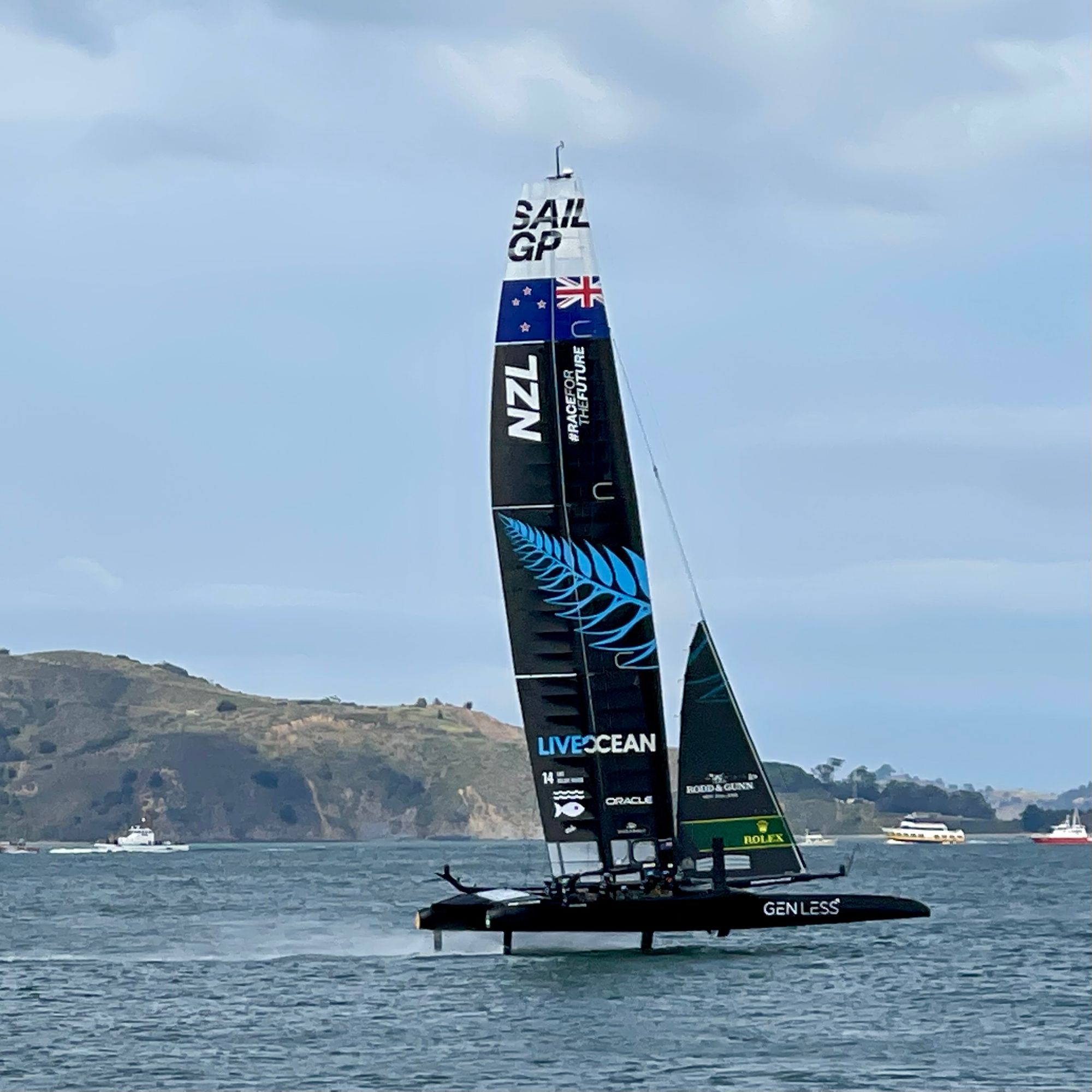
Yachting New Zealand (YNZ) used the service design process to collaborate with local schools and teachers to design a school engagement framework.
Phase 1: Key Pre-requisites
- YNZ has had the expertise and experience of delivering school programs for the past 15 years.
- They had the basic structure in place with the right people who knew HOW to bring their WHY to life.
Phase 2: Understand and Discover
- YNZ co-created with teachers, schools, and organisations to understand the need for a curriculum that focussed on sustainability and teaching kids the importance of environmental care.
- Arranging workshops for teachers to collaborate on the design of the curriculum meant a greater engagement from teachers who were acting based on their purpose of world good.
- Customer journey mapping was used to view the service through the eyes of the consumer. Understanding the pain points throughout the journey made it easier to design better alternatives to increase the service value.
Phase 3: Enable and Define
- With all ingredients and brainstorming out of the way, prototypes were developed to then trial and refine the service. The contents of the module were tested on a group of students to gather feedback and produce improved prototypes.
Phase 4: Reinforce and Deliver
- The service was piloted with 8 schools to gain further feedback which fed into the service that was made available to schools alongside the America's Cup match.
Impact
- 243 schools registered for this service
- Increased participation by 60%
- Mobile trailers and trucks were constructed to deliver ultimate sailing experiences for schools
As the final whistle echoes and the cheers fade, what remains are the experiences etched in every fan's heart. Service Design in sports is the compass that guides these experiences, elevating not just the game but the very essence of being a fan. Embrace it, for in this design, we find not just a service, but a purpose-driven journey that echoes long after the cheers have subsided.


Comments ()